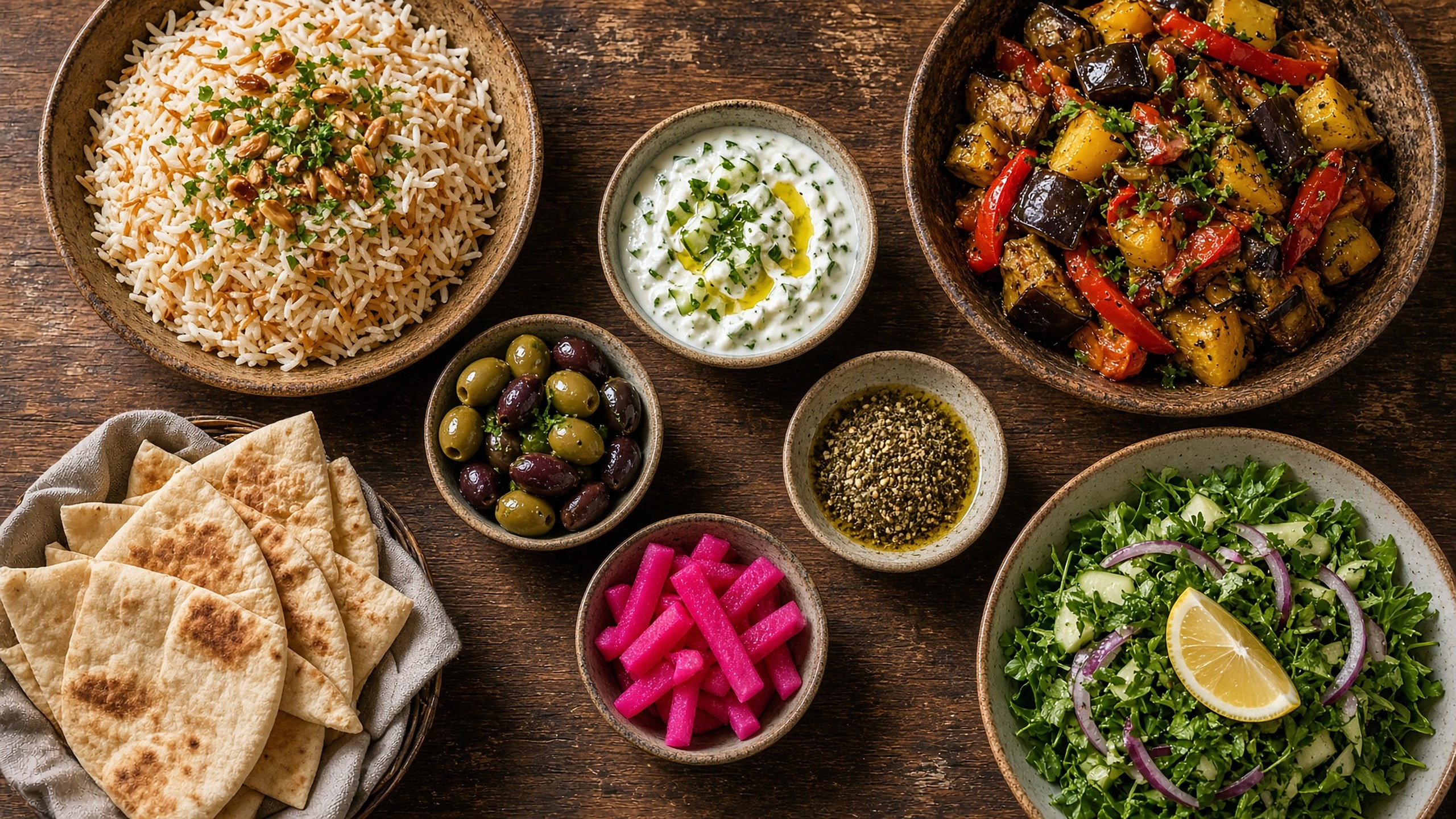
One pot. Three generations. One plan.
A grandfather with high blood pressure, a mother watching her glucose, a teenager who eats nothing green, and a seven-year-old. Cooking four meals is not a solution — it is how a plan gets abandoned.
The problem with individual plans in a shared kitchen
Most nutrition advice is written for one person living alone with full control of the grocery list. In a household where one person cooks for everyone, a plan aimed at one member creates a second job — and second jobs do not last.
The alternative is to build the meal so that a single pot serves several needs, and the differences happen at the plate rather than at the stove.
How that works in practice
- Cook the base once. The stew, the rice, the salad, the protein. Then let portions differ: more vegetables here, a smaller starch there, salt added at the table rather than in the pot for the person managing blood pressure.
- Season at the end. Salt, pickles and sauces served separately means one dish can suit a hypertensive grandfather and a teenager at once.
- Fix the plate, not the person. Children eating the same food as adults — in child-sized amounts — is both simpler and better than a separate “kids’ menu”.
- Protect the cook. The person feeding everyone is usually the one eating standing up, last, from what is left. That is its own nutrition problem and it gets named directly.
Children, without making food a battlefield
Pressure, bribery and lectures at the table reliably produce worse eaters, not better ones. What works is unglamorous: predictable meal and snack times, the same food offered without commentary, repeated exposure without pressure, and adults deciding what is served while the child decides how much of it they eat.
Comments about a child’s body or weight — including affectionate ones, and including from grandparents — carry further and last longer than almost anything else at that table.
Cooking for everyone?
Tell her who is at the table and what each of them was told to change. That is the whole brief.
This page is general education, not medical advice, a diagnosis, or a treatment plan. Medical nutrition therapy works alongside your physician, never instead of them. Samar does not diagnose conditions, prescribe medication, or change medication doses. If you take medication, do not adjust it based on anything you read here.