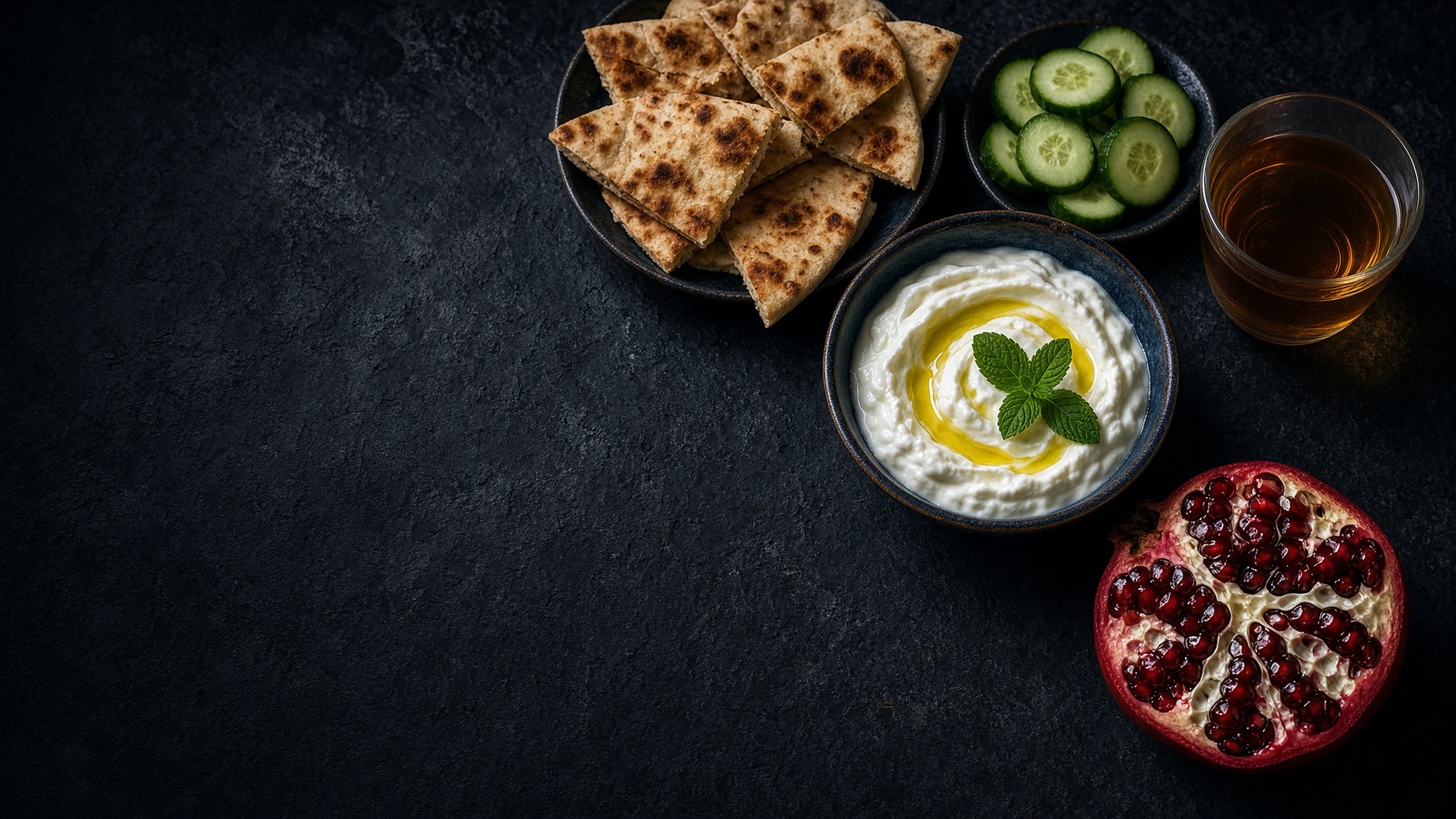
Start at the table, not at the ban list.
Sufra is the spread — the cloth, the dishes, the people around it. Nutrition advice that ignores the sufra is advice for somebody else’s life.
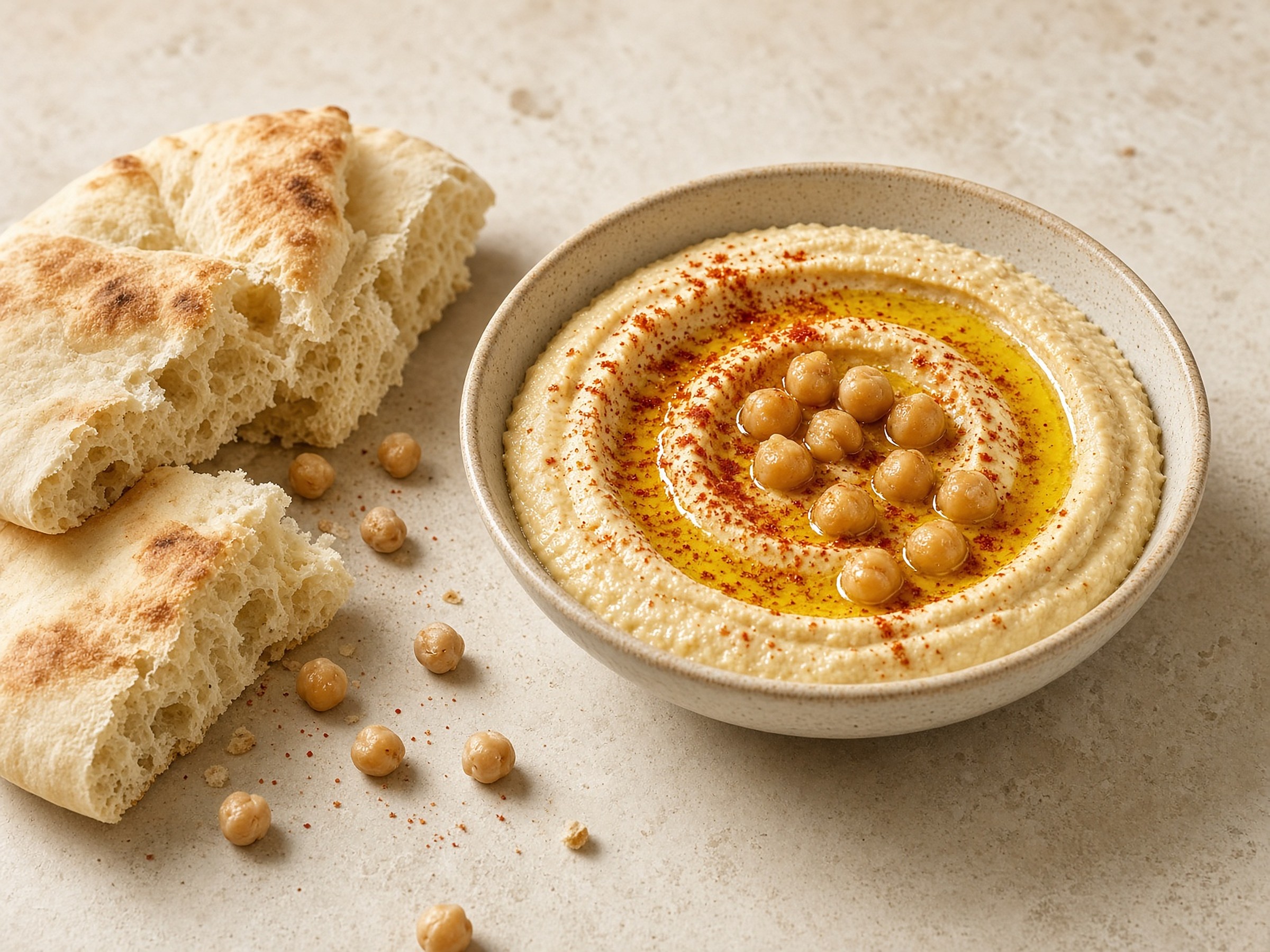
Show the table.
Most intake forms ask what you should be eating. Samar asks what you actually cooked.
A photograph of Thursday dinner. A sentence about the pot on the stove. The tea at 9pm you were not going to mention. That is the raw material — and none of it is a confession.
People edit themselves out of nutrition care because they expect judgement about bread, rice, sugar in tea, or a second helping at a family lunch. Editing yourself out is how a plan ends up written for a stranger.
Read it together, in your language.
Then the two of you read the table — alongside your labs, your medications, your work schedule and how many people you cook for.
This is the part that bilingual practice changes. Nutrition vocabulary is technical in any language, and being counselled in your second language while thinking in your first costs you accuracy and dignity at the same time.
Speaking Arabic here is not a courtesy. It is clinical precision.
Change two things.
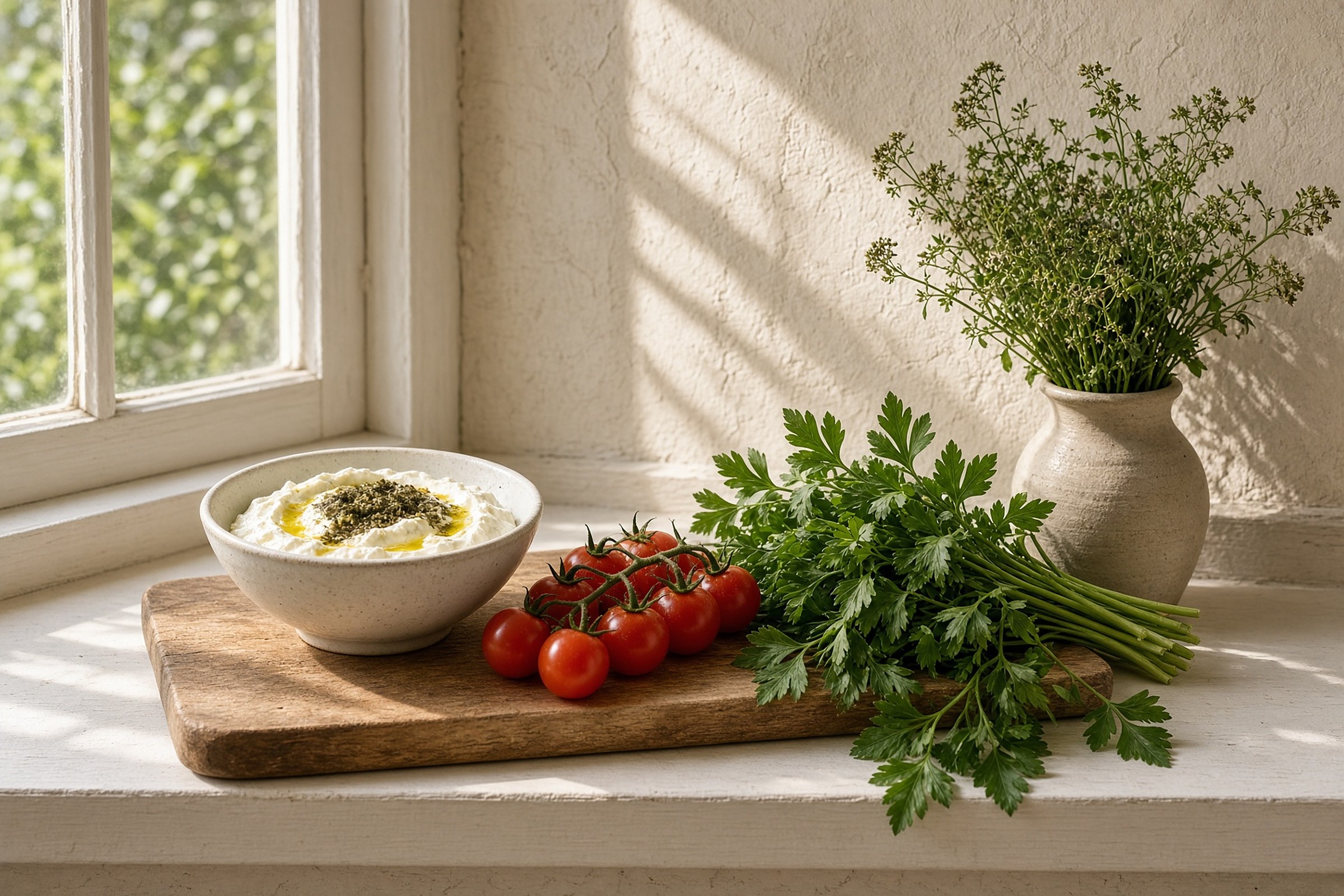
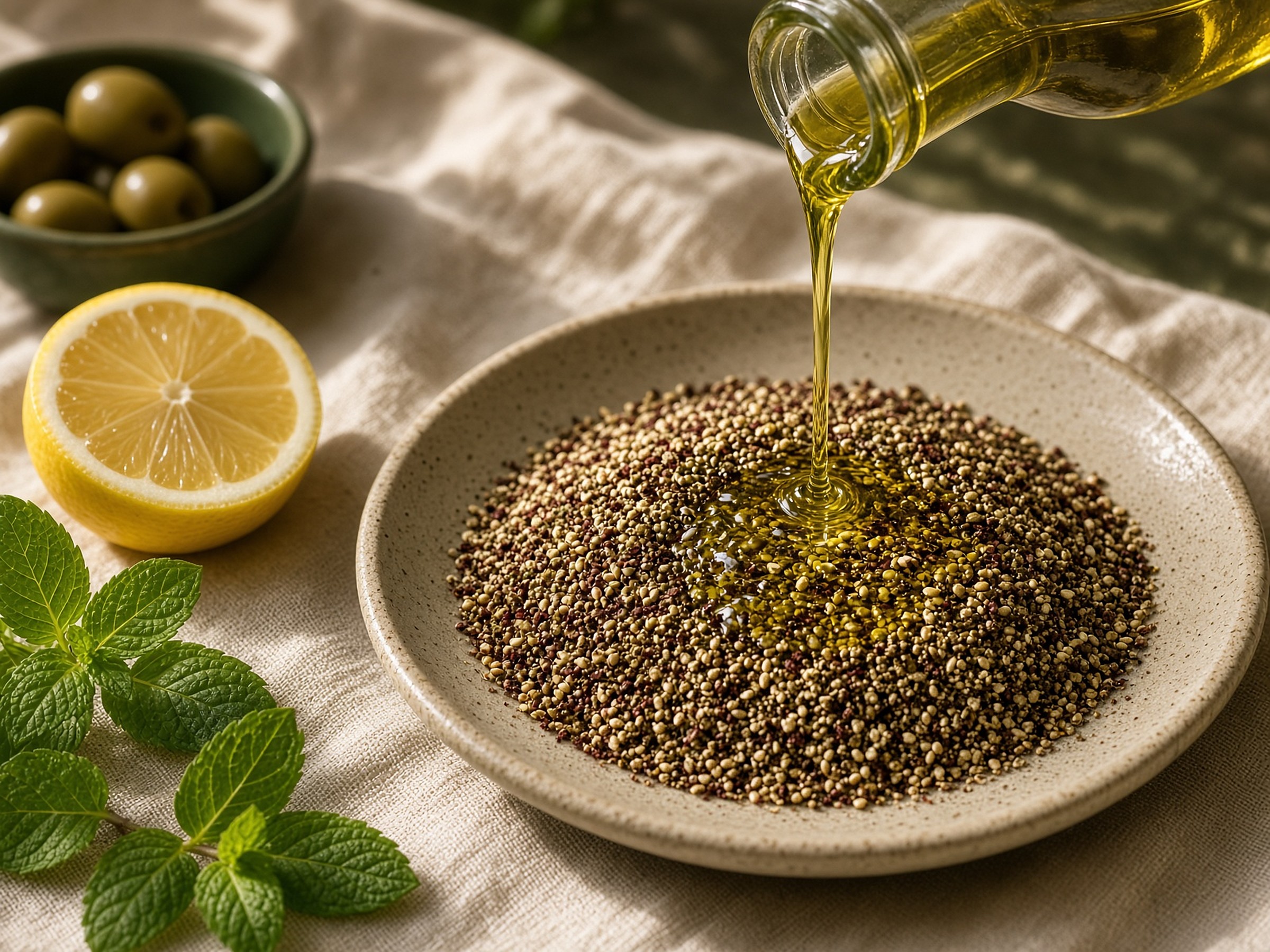
Not fourteen. Two, occasionally three — specific, small, and built out of groceries already in your kitchen.
Move the tea two hours later. Put a protein next to the bread at breakfast. Keep the rice and change what sits beside it. Cook the same stew and change the ratio in the pot.
Then the month runs, and you come back with what happened — including what did not work, which is usually the more useful half.
What the method assumes about you.
Stated plainly, because most plans assume the opposite and never say so.
- You are already competent in a kitchen. You do not need to be taught to cook.
- Your cuisine is not the problem to be solved.
- Willpower is not the missing ingredient, and shame is not a clinical tool.
- A change you cannot repeat in month seven is not a change worth making in week one.
- Food carries family, memory and religion. A plan that ignores that will be abandoned, and rightly.
Show her the table.
A photo and two sentences are a complete first message. English or Arabic — whichever you think in.