تصحيح مفاهيم·8 min
Five nutrition myths that do not survive a Damascene table.
Samar’s Instagram already does this work. Here it is written to keep: olive oil, fruit at night, “starches,” detoxes, and the idea that Arabic food is the problem.
1. Olive oil is “too heavy”
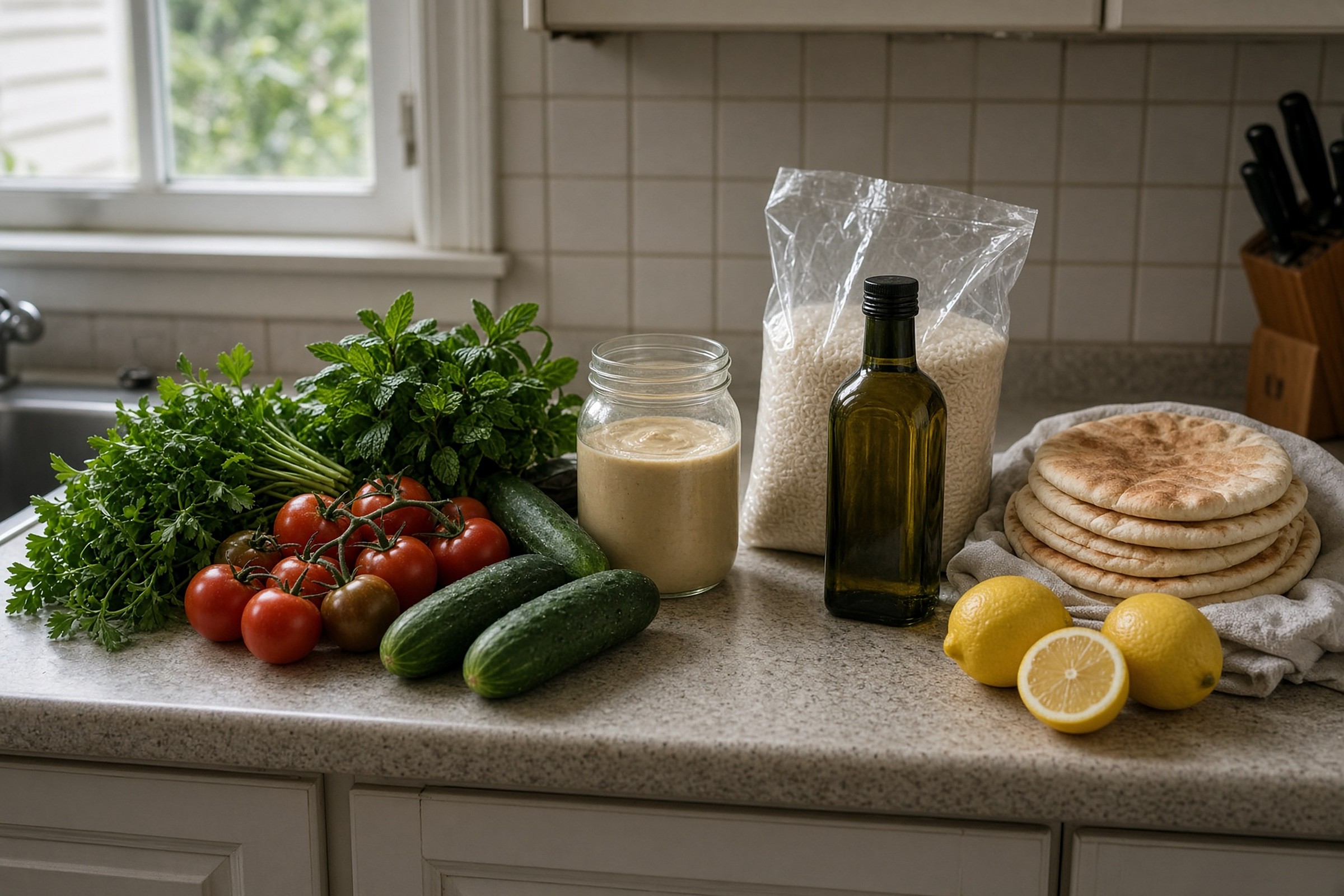
Olive oil is a fat. Fat is energy-dense. That is not a scandal. It is also the cooking fat with the longest, kindest evidence behind it in this cuisine. The clinical issue is usually the invisible pour — the pan, the second drizzle, the fried bread — not the existence of olive oil on a salad. Replacing it with a spray and a snack is not an upgrade.
2. Fruit at night turns to sugar in your sleep
Fruit is carbohydrate, wrapped in fiber and water. An orange after dinner is not a soda. If glucose is a medical concern, we look at the whole evening — juice, tea with sugar, dessert, the size of the rice — not the fruit that made the table feel finished. Samar will not take the orange from a household that has always ended the meal that way unless there is a reason that survives scrutiny.
3. “Starches” are a character flaw
Rice, bread, potatoes, and bulgur are the center of a great many good lives. Calling them “starches” as if that were a diagnosis is a habit imported from diet culture. They need company. They need a size. They do not need a courtroom.
4. A detox will reset you
Your liver does not require a kit. Two days of lemon water will not undo a month, and they will make the third day louder. If you feel better on a “detox,” notice what you actually did: more water, less soda, earlier nights, fewer fried plates. Keep those. Leave the kit.
5. Arabic food is the reason the labs look like that
The cuisine is not the villain. Pattern can be. Oil can be. Sweet drinks can be. A life with no walk and a lot of sitting can be. The same cuisine, eaten as mezze and stew and fruit and yogurt, is the eating pattern researchers keep rediscovering and renaming. Samar’s job is to refuse the racist shorthand that “our food” is the problem, and still be honest about Tuesday night.
Correcting a bad idea is care. It is often the first relief a family feels.
Kitchen notes are public education. They are not a personal nutrition plan and they do not replace a visit with a registered dietitian or your physician.